
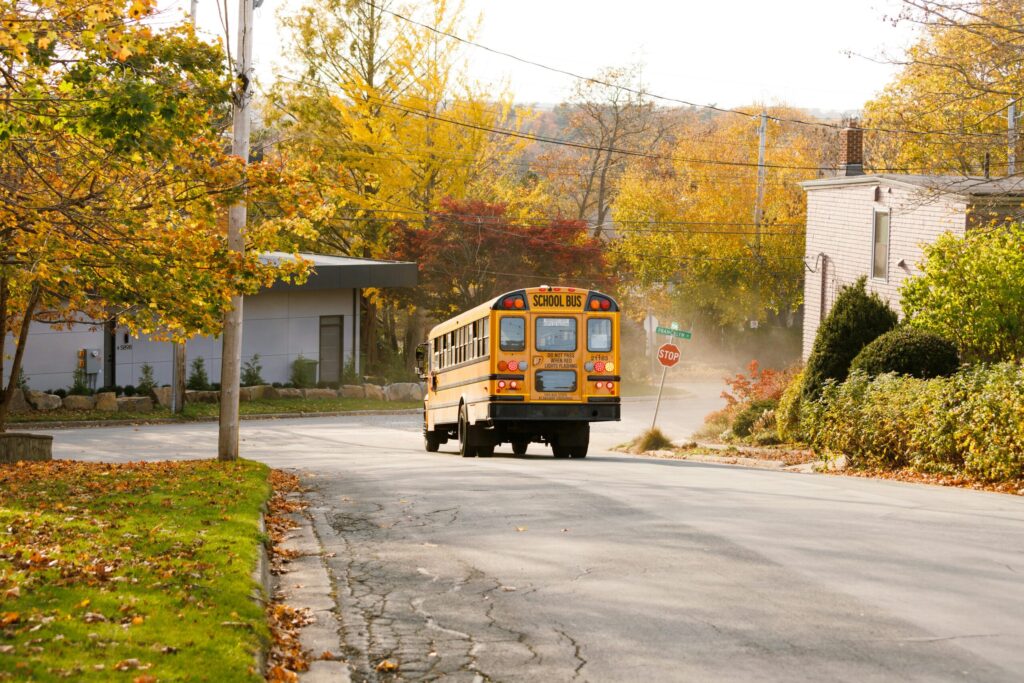

Reliable transportation is essential to ensuring equitable access to education, particularly in rural areas where students often rely on adequate transportation to be successful in school. For rural districts in Illinois, transportation remains one of the most expensive and logistically complex responsibilities. High per-student transportation costs, limited infrastructure, staffing shortages, and long commute times affect daily attendance, reduce opportunities for participation in extracurricular activities, and strain community resources. Using the National Center for Educational Statistics (NCES) locale codes to define small towns and rural places, there are a total of 489 rural districts out of 851 public school districts in Illinois [1]. These rural districts in Illinois typically serve sparsely populated areas with low population density and wide geographic dispersion. Students may live far apart from one another, and many families rely entirely on school provided transportation.
Transportation challenges also have significant implications for students to access CTE programs and work-based learning opportunities. Many rural CTE program offerings rely on regional partnerships, sharing facilities, off-campus work-based learning experiences that require students to travel beyond their home or school, compounding challenges that extend beyond transportation itself. When districts lack access to sustainable transportation, students may be unable to participate in these programs which limits their exposure to exploring career pathways and hand-on learning experiences that are crucial for career success and readiness. As Illinois continues to prioritize workforce development across the state, transportation barriers threaten to widen opportunity gaps for rural students.
Transportation is a foundational requirement for educational access, career preparation, and rural students’ academic success. When buses are late, routes are understaffed, or ride times are excessively long, students lose instructional time, struggle to join after-school programs, and often face barriers to fully participating in school life. In many communities, transportation challenges compound existing inequities related to economic conditions, access to public services, and demographic changes. Understanding the roots of these challenges, and their impact on rural students, provides an essential foundation for developing effective and sustainable solutions that can strengthen transportation systems across Illinois.
Current State of Rural School Transportation in Illinois
Funding
Transportation is a significant financial burden for many rural districts. Because routes stretch across long distances and small numbers of students are served by each bus, costs per student are higher than in more densely populated areas. Funding for school transportation in Illinois is done through a mix of state aid, federal grants, and local funding. Many districts rely on state reimbursements to offset these expenses, but reimbursement does not always cover the full cost of transportation, leaving districts to absorb the remaining financial burden through already limited local resources. These high costs attributed to rural transportation have implications on the ratio of instructional expenditures, meaning that money that has to be funneled towards paying for transportation is then taken away from funding other educational programs or obtaining other necessary resources for rural districts.
Rural schools across the United States spend $11.54 on instruction for every dollar that is spent on transportation on average [2]. However, Illinois spends only $9.20 for every dollar spent on transportation and they rank sixth in the nation, meaning that a challenge like transportation is taking away core funding and resources from other areas for rural students. Rural students are also likely to have longer bus rides due to distance from their school or other peers, the mixing of different grade levels on buses out of necessity, or the need to navigate rougher routes. Transportation costs can easily eat into budgets and are often not something accounted for when having discussions about the challenges that rural schools face.
Infrastructure and Geography
At the same time, roads and bridges in rural parts of Illinois frequently require substantial maintenance. In 2024, the roads that saw the highest amount of mileage in rural counties were local roads and collector roads, which take traffic from local roads, neighborhoods, or even arterial roads (high mobility roads like interstates and freeways) [3]. With these roads having more traffic and longer travel times, they are going to face more infrastructural issues that can slow down rural drives or cause serious hazards. Along with varying road conditions in rural districts, these issues can easily complicate things for school buses. Narrow lanes, aging bridges, limited shoulders, and seasonal hazards increase wear on buses and complicate the task of keeping routes safe and efficient.
Geography itself can be an issue in rural areas, by no fault of their own. Sprawling farmland, dispersed homes, and isolated rural roads, add additional strain to both scheduling of bus routes and budgeting. Many rural districts are lacking connectivity and accessibility because of their physical remoteness from major highways and transportation hubs. These challenges with geography and infrastructure can further complicate the structure of many rural CTE programs. CTE programs are often located off campus, which is shown to discourage student participation, causing a particular issue for rural areas where distances are greater and schedules more complex for these programs. All these issues caused by long travel times, poor road conditions, or unavailability of busing opportunities, further limit access to work-based learning experiences.
Workforce Shortages
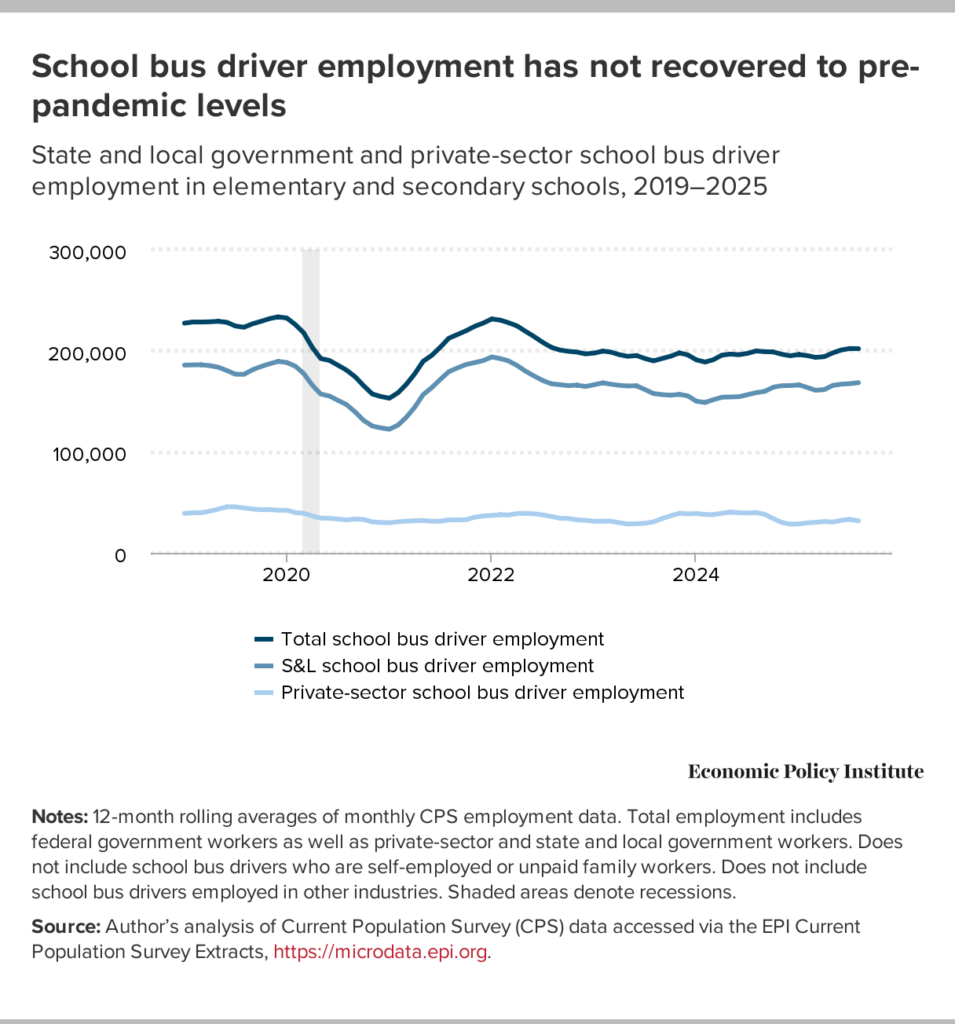
Workforce shortages have further complicated transportation operations. While there has been a slight uptick in bus drivers since 2020, it is still 9.5% lower than what it was pre-COVID [4]. Many rural districts report an ongoing difficulty in recruiting and retaining qualified school bus drivers. While there have been significant wage increases over the past year, the funding from the Elementary and Secondary School Emergency Relief Fund (ESSER) ran out at the end of the 2024-2025 school year which could create more problems with bus driver wages [5].
Along with the bus driver shortage and potential for decrease in wages, there are other barriers to recruitment of staff. Many driving positions are often part-time hours, which can make it hard for potential drivers to see it as a sustainable or long-term employment opportunity. It also can take time and money for individuals to get the proper licensing to drive a school bus which can discourage potential applicants. When staffing is inadequate, districts are forced to reduce available routes, shorten schedules for extracurricular activities, or rely on teachers, coaches, or administrative staff to drive buses. These challenges reduce the reliability of transportation services and add pressure to individuals whose primary responsibilities lie elsewhere in the school district.
Impact on Rural Schools and Students
Academic Access and Attendance
Transportation difficulties have a direct impact on rural students’ attendance and engagement. In general, students that face longer commutes are less successful in school [6]. Many rural families lack reliable vehicles or live far from the school building. This means that when bus routes are long, unreliable, or understaffed, students are more likely to arrive late or miss school entirely. These late or missed days accumulate and disproportionately affect students in rural districts with fewer academic recovery resources.
Extracurricular Participation
These barriers extend beyond the school day; they can affect students’ abilities to participate in extracurricular activities, after-school tutoring, CTE and work-based learning opportunities. Many rural schools struggle to provide on-campus CTE experiences for students during regular school hours due to lack of resources, funding, and adequate staffing, which means students’ only other options are to gain those skills elsewhere. Without dependable transportation, students can miss out on these activities that are vital for their development and overall success. Opportunities that are readily available in suburban or urban districts become significantly harder to access in rural areas when transportation is stretched thin due to staffing shortages, high operational costs, or road conditions causing buses to be late.
When districts are unable to provide transportation beyond regular school hours, students may not participate in clubs, specialized programs, or athletics, which limits their exposure to already limited opportunities in rural areas. This can have an impact on their abilities to access and participate in any manner of academic and career education opportunities.
Equity
These issues also intersect with broader equity concerns. Transportation challenges disproportionately affect students from low-income households, students with disabilities, and those living in remote or isolated homes. These students often rely most heavily on school transportation and struggle the most from inconsistent transportation services. The long commute times don’t just affect students’ performance in the classroom, but can have an effect on their ability to do their school work at home. Students can experience fatigue, have less time to work on their homework, and also have less time to spend with their families or their communities. Transportation barriers can also complicate access to special education services or transition programs. Without sufficient support, rural students that already face disadvantages can struggle to fully participate in school.
Community
Schools in rural Illinois function as core centers of community identity, civic engagements, and economic activity. At a community level, persistent transportation challenges can influence enrollment patterns, as families consider whether local schools can reliably provide daily transportation. When transportation systems struggle, the entire community can feel the effects. If transportation becomes too costly or difficult to sustain, districts may consider consolidating services or even merging with neighboring districts, decisions that carry significant implications for local identity and community life. Transportation challenges are not merely operational: rather, they are critical in shaping the long-term viability of rural communities.
Innovative Approaches
Although transportation is a long-standing challenge for rural schools, continued research and new innovation offer promising solutions. Some schools have begun to explore options of having fleets of smaller buses to make transportation costs more manageable. Others have tried to partner with local communities or schools to offer shared-services transportation models that reduce the cost of staffing and maintenance [7].
Some schools have begun exploring fleet modernization, including adopting electric school buses supported by state or federal grants. Electric buses can reduce long-term fuel and maintenance costs and may support greater sustainability across rural regions, but can be difficult to use in places where weather conditions can vary greatly. While these approaches may not be able to be implemented by all rural schools, they demonstrate meaningful progress of where small and rural schools can begin to look when trying to tackle their transportation challenges.
Policy Recommendations
Addressing the transportation challenges faced by rural schools in Illinois isn’t simple, it requires an approach that can acknowledge the limitations of geography and financial pressures that are placed on these districts. While no single recommendation can fully address the complexity of the transportation problem, a combination of targeted policy changes and district-level strategies have the potential to significantly improve the outcomes. These recommendations outline opportunities for school districts, regional cooperatives, the State of Illinois, and community partners to work collaboratively toward a transportation system that is more equitable, efficient, and sustainable for rural students.
- Funding Reform: Rural schools face disproportionately high transportation costs due to long distances between students’ homes, wide ranging bus stops, and the need to run multiple bus routes to keep students on time. Traditional state funding does not fully reflect the geographic realities of rural communities, resulting in reimbursements for transportation costs falling short of what their actual expenses are. Reforming the state’s transportation funding model to account for real operational costs or mileage-based expenses would provide rural districts with adequate funding. This could include increasing reimbursement rates, offering more supplemental grants for schools, or ensuring that reimbursement funds have a set schedule to help schools plan effectively for their budget.
- Workforce Changes: There continues to be a persistent shortage of qualified school bus drivers, making it one of the most significant barriers to reliable transposition for rural schools. Many schools struggle to recruit drivers due to low wages, part-time schedules, and other challenges with maintaining or obtaining a commercial driver’s license. When these positions remain unfilled, districts may have to rethink their routes or combine them, further extend the ride times for students, and shorten extracurricular schedules. Solutions to this problem could include offering state-funded signing bonuses, expanding benefits for part-time employees, or creating regional driver pools where districts could share their busing staff. It could also be helpful for rural communities to market their open positions and elevate the importance of professional drivers for educational access.
- Infrastructure Developments: Rural areas often struggle with infrastructure that is outdated or insufficiently maintained. Narrow rural roads, limited shoulders, and weather-related hazards not only create safety concerns but can increase the wear on buses and contribute to longer travel times. This can mean that rural schools will often have to replace buses sooner, which can further strain their budgets. Increasing state and county investment in rural road maintenance would greatly improve the safety and efficiency of busing. Additionally, adding targeted funding for replacing outdated buses with newer models could further reduce maintenance costs and reliability of buses for students.
- Data and Accountability: One of the challenges in developing effective rural transportation policy is due to the lack of available detailed, standardized data across those rural districts. Many districts do not collect or report data that can provide key information about average route lengths, bus age and conditions, ride-time distribution, driver turnover rates, or per-mile operating costs. There is also a lack of data that exists about rural road conditions and the impact that has on travel times and ability to get students to and from schools safely. Without consistent data, it can be difficult to allocate funds equally, evaluate effective ideas for reforms, or identify districts that are in the most need for support. Strengthening the state’s data reporting requirements, while ensuring that districts have the necessary tools and training to collect said data, would allow for more accurate funding decisions and allow for monitoring of long-term trends. Transparency in reporting can also help communities better understand the costs and challenges associated with ensuring equitable transportation for rural students.
Transportation challenges remain one of the most significant barriers facing rural schools in Illinois. Without reliable and efficient systems, many students face obstacles that not only affect attendance and academic engagement, but also their ability to participate in CTE programs and work-based learning opportunities. For rural students, these programs bridge gaps between students’ potential career and workforce success. When transportation is limited or unreliable, access to these opportunities becomes unequal, reinforcing the already present geographic and economic inequities.
Addressing these challenges requires thoughtful planning, sustained investment, and an understanding of the unique realities of rural communities. Adopting more equitable funding models, supporting workforce development, modernizing equipment and routes, and improving rural infrastructure all play a role in strengthening transportation systems. By prioritizing transportation as a critical piece of the educational and workforce access puzzle, Illinois can better support rural school districts, expanding students’ ability to participate in CTE and work-based learning programs, and ensure that rural students are not excluded from those opportunities simply because of where they live.
—
References
- Glasgow, J. (2025). Aligning Assets and Actions for Rural CTE Success, pg. 7. Association of Illinois Rural and Small Schools.
- Showalter, D., Hartman, S.L., Eppley, K., Johnson, J., & Klein, R. (2025). Why Rural Matters 2025: People, Place, Possibility, pgs. 39 & 93. National Rural Education Association.
- State of Illinois. Illinois Department of Transportation Office of Planning and Programming. (2024). 2024 Illinois Travel Statistics. Illinois Department of Transportation.
- Martinez Hickey, S. (2025). The school bus driver shortage has improved slightly but continues to stress K–12 public education. Economic Policy Institute. https://www.epi.org/blog/the-school-bus-driver-shortage-has-improved-slightly-but-continues-to-stress-k-12-public-education/
- Ibid.
- Hopson, L., Lidbe, A., Jackson, M. S., Adanu, E., Penmetsa, X., Lee, H.Y., Anderson, A., Obuya, C., & Abura-Meerdink, G. (2022). Transportation to school and academic outcomes: a systematic review. Educational Review.
- Gendill, L. (2024). States tackle challenges of getting students to and from school. NCSL. https://www.ncsl.org/events/details/states-tackle-challenges-of-getting-students-to-and-from-school